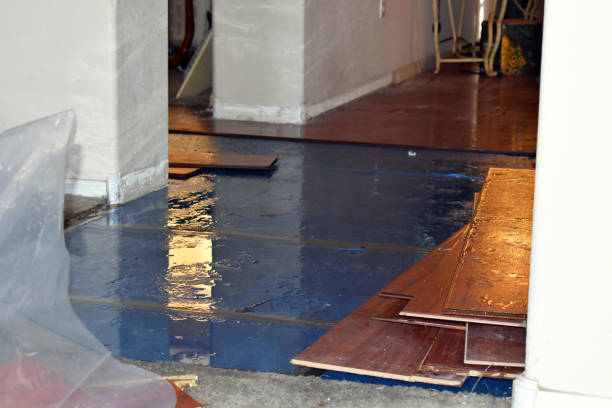
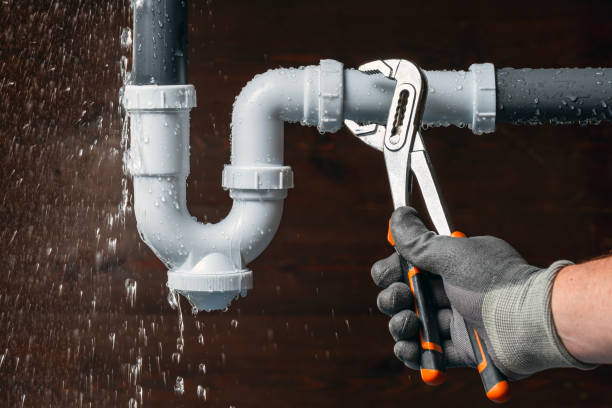
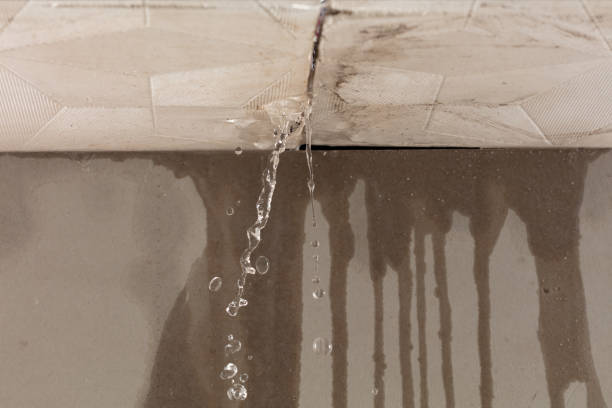
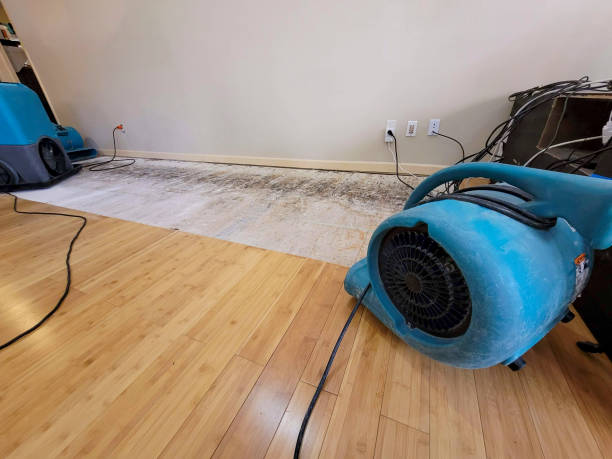
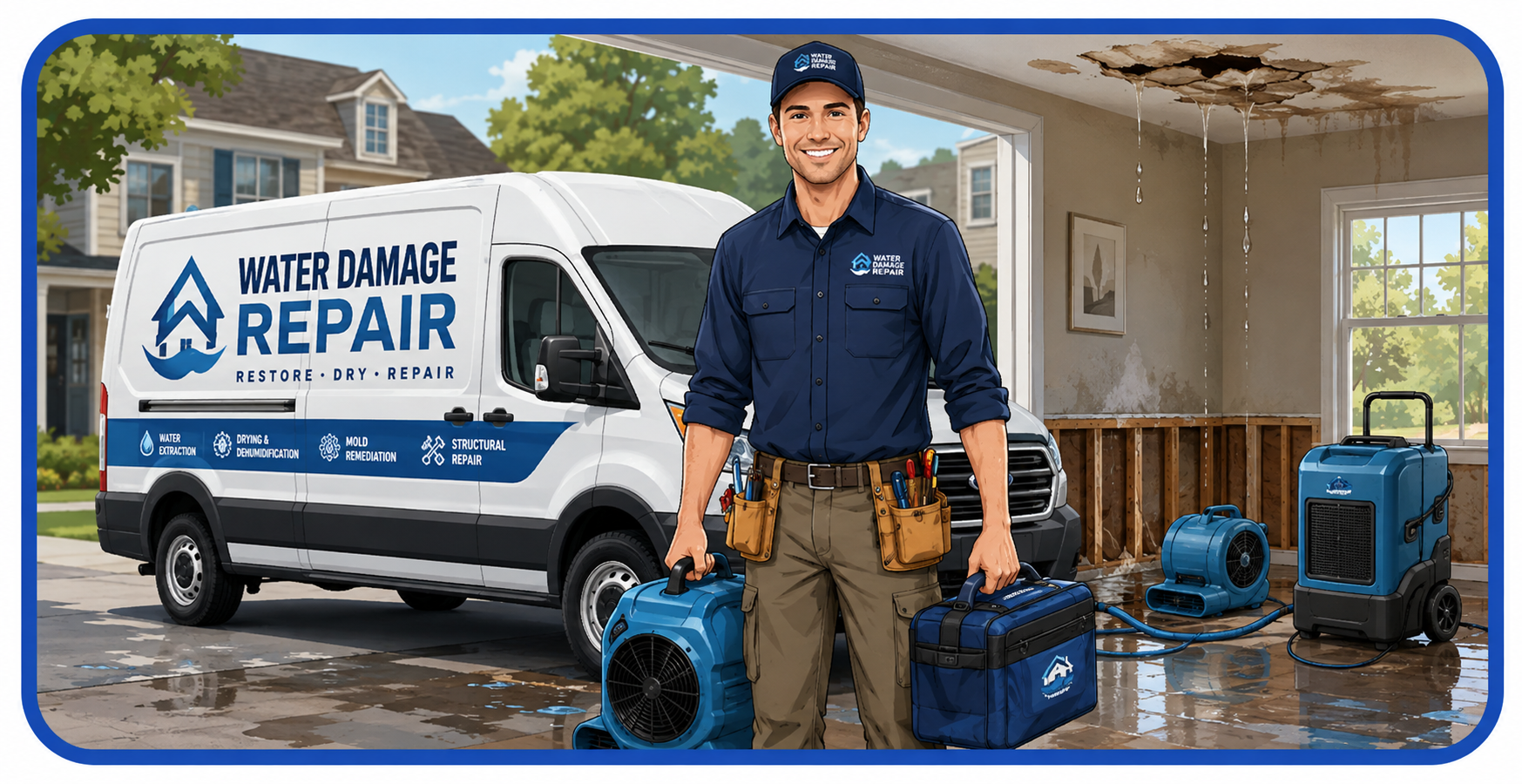
A structure that looks dry on the surface can still hold dangerous moisture inside walls and subfloor. Our Structural Drying And Dehumidification process tests what you can't see, not just what you can.
Call +1-844-833-1325 Now
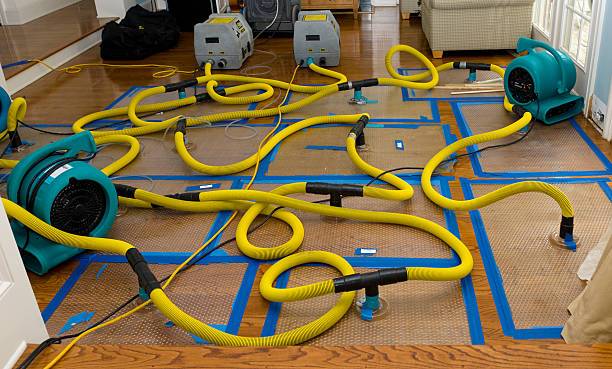
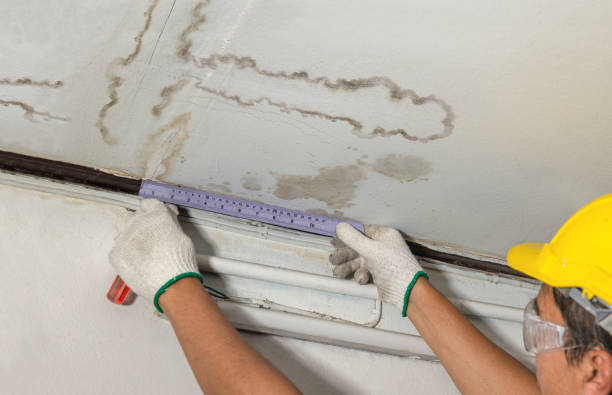
Psychrometric readings — temperature, humidity, and grain depression — tell us exactly how much moisture the air can absorb, which is the actual science behind where we place air movers, not a guess based on how a room looks.
We'd rather explain the structural drying and dehumidification process in plain terms upfront than have you find out the hard way what a shortcut costs later.
These four things matter together, not in isolation — certification, speed, honest pricing, and the right equipment are what actually change the outcome of a structural drying and dehumidification call.
Ask for credentials before the work starts, not after — a legitimate structural drying and dehumidification specialist will have them ready.

Air mover and dehumidifier placement follows actual humidity and temperature readings, not a default pattern.
Every drying job gets tracked with daily readings, giving you documented proof of progress.
Low-grain-refrigerant dehumidifiers handle humidity levels that standard consumer units can't touch.
We re-test every affected area before calling the drying phase complete.
Every piece of structural drying and dehumidification work below follows the same documentation standard, whether it's a small job or a larger one.

We measure temperature, humidity, and grain depression to calculate the actual drying conditions needed.
Placement follows the specific geometry of the affected room, adjusted daily as conditions change.
LGR units pull moisture from the air faster than standard dehumidifiers, especially in high-humidity conditions.
Monitoring continues even after materials look dry, since surface dryness doesn't mean full drying.
Thermal cameras catch hidden moisture pockets inside walls and under flooring that a surface check would miss.
Complete drying logs are provided at job close, useful for both your records and insurance claims.
Four steps, no guesswork, from your first call to a verified structural drying and dehumidification result.
Dispatch gathers just enough detail to load the right equipment before the truck leaves.
The truck that arrives is stocked specifically for Structural Drying And Dehumidification jobs, not a generic handyman setup.
The assessment sets the whole plan, so we don't rush it even when the visible damage looks minor.
A job isn't closed on a visual check — it's closed on a verified reading.


"We had a slow leak for weeks and thermal imaging found moisture in a spot we never would have checked."
Carlos V., Pella"They explained the psychrometric readings in plain terms instead of just handing me a spreadsheet."
Wendy K., Pella"Thermal imaging at the final check caught a spot that still needed another day of drying."
Marcus T., Pella"Our office had a slow leak and the LGR dehumidifiers pulled the humidity down faster than I expected."
Angela F., PellaThese are the questions we hear most often about structural drying and dehumidification, gathered from real calls, not a generic template list.

Aqua Guard Water Damage dispatches structural drying and dehumidification crews throughout Pella and the surrounding zip codes, including 50219.
Coverage extends past the immediate area, so an outlying Pella address isn't treated as a lower priority for structural drying and dehumidification.